
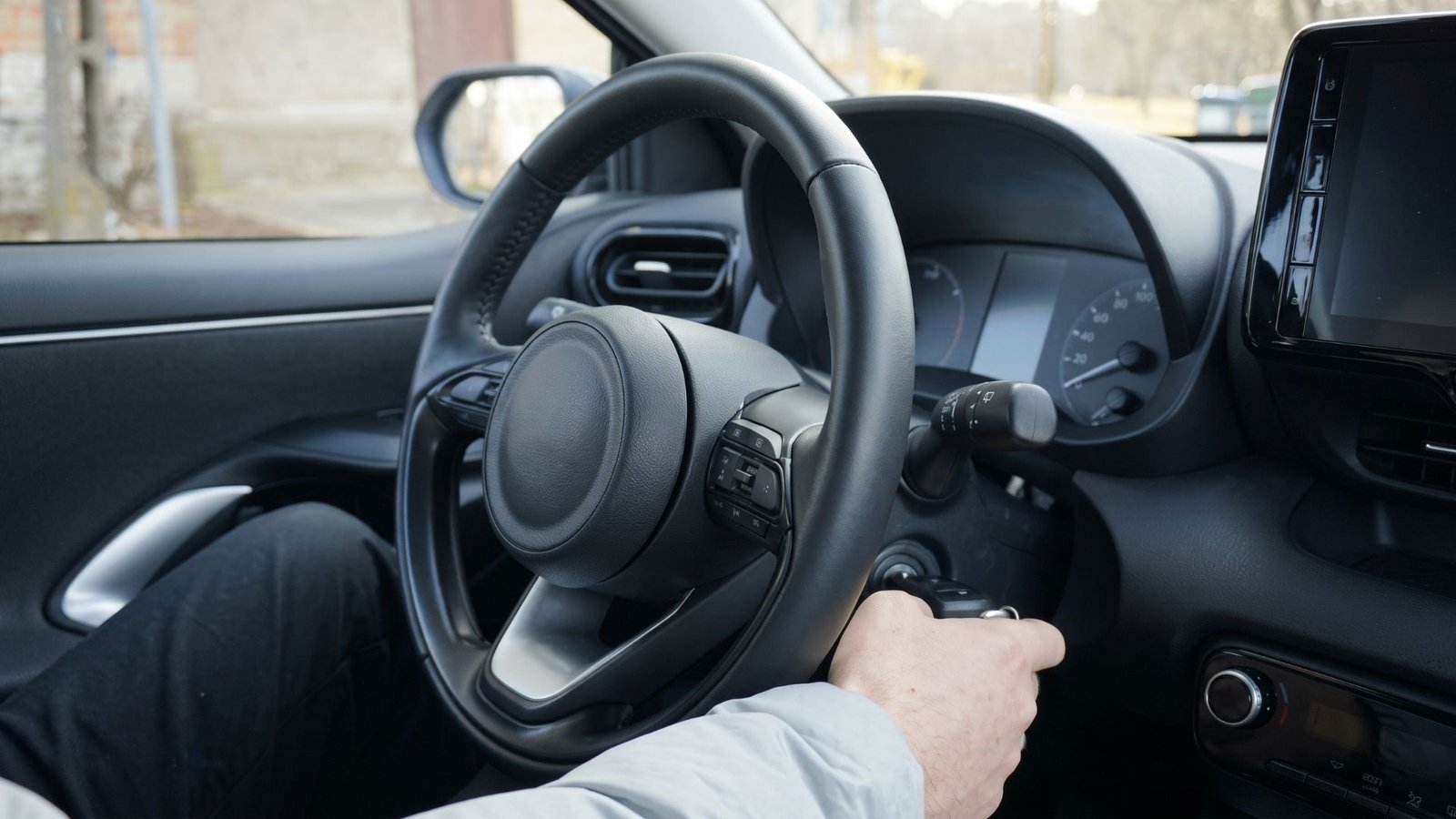
When your car cranks but won’t start, the engine rolls over and over, yet it never catches. A car engine needs four basic elements to fire up: fuel, spark, air, and compression. If even one of those elements goes missing, the engine will crank without starting.
The situation can be really frustrating when you have somewhere to go, and you could possibly think the problem might be tied to the battery. Sometimes it is, yet most of the time the issue links back to low fuel, a blown fuse, a faulty spark plug, a bad sensor, or the anti theft system.
You can however figure out the problem by checking a few parts yourself right in the driveway. We have listed 9 common reasons why your car may turn over without starting. We’ll show you what signs to look out for, how to fix them, and when it is best to get help from a mechanic.
What Does It Mean When Your Car Cranks But Won’t Start?
A lot of people think that when their car won’t start, it is a starter problem. Actually, if the engine is cranking, your starter is working great.
Cranking means the battery sends power through the starter relay and solenoid to engage the drive gear and spin the starter motor. In turn, that gear spins your engine crankshaft. To start, a gasoline engine needs adequate fuel, air, properly timed spark, and sufficient compression.
So, most likely, if your engine cranks but won’t start, the problem hides somewhere inside your fuel delivery, airflow, ignition spark, cylinder compression, or sensors.
Another Good Read: How To Fix a Car Radio That Loses Sound But Keeps The Display
9 Common Reasons Your Engine Turns Over Without Starting (And How to Fix Them)
1. You’re Out of Gas (or Have a Faulty Fuel Gauge)
One of the main reasons for a car cranking but not starting is being out of gas. Running out of fuel is an easy mistake to make, especially when your fuel gauge is faulty, or you have been driving on “E” for too long.
Inside your gas tank, a small float arm connects to a sending unit that reports fuel levels to your dashboard. Over time, worn contacts on that sending unit can stick, tricking you into thinking you still have a quarter tank left. Besides, driving on fumes lets air pockets enter the fuel lines and starves a pump that’s already on its way out. Before you tear apart the engine bay, verify that liquid fuel actually sits inside your tank.
How to fix it:
- Add one or two gallons of fresh fuel from a gas can.
- Turn the key to ON and wait a few seconds, then crank again.
- Drive to a station and fill up once it fires.
- Have the fuel sending unit checked if the gauge keeps lying.
2. A Borderline Weak Battery (Slow Crank)
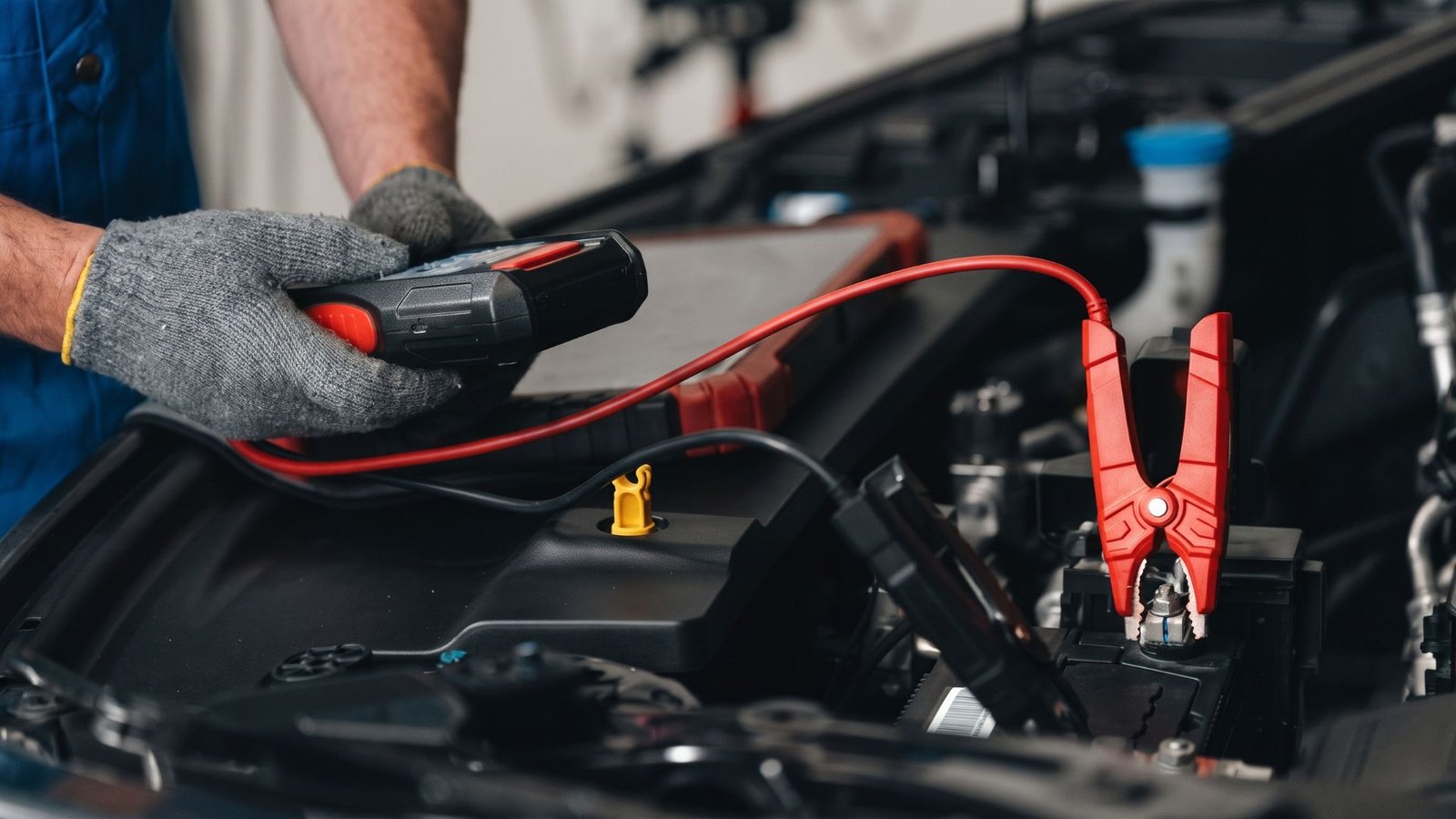
A weak battery can crank the engine slowly and still fail to start it. The starter spins, but the voltage drops too low for the fuel pump and ignition. In turn, you stay stuck with your car, thinking what went wrong.
American Automobile Association (AAA) says the average battery lasts three to five years and advises yearly testing after the third year. If it has been over three to five years since you last replaced it, cold mornings or heavy accessory loads can drop resting voltage below the critical 12.4 volt threshold.
You should also inspect the ground cable. It connects the car’s battery to the engine and chassis. A faulty or loose ground cable chokes electrical flow just as badly as a dying battery.
3. A Blown Fuse or Bad Relay
Your fuses and relays act as safety switches in your car’s electrical system. If a fuse or relay goes bad, whatever circuit sits on that line stops working.
When your car cranks but won’t start, a tiny five dollar fuse could be blocking power to your fuel pump or ignition coils. Every modern vehicle houses at least two fuse boxes, with one under your dash in the cab and another under your hood near the battery.
Inside those boxes, you need to locate the fuses and relays tied to the fuel and ignition systems. You will usually find a chart showing what each fuse controls printed on the underside of the lid.
If it is not there, you can look up your car model online and find a diagram pretty easily. Look closely for labels marked ECM, EFI, FUEL, or IG, which stands for ignition.
How to fix it:
- Pull the fuel pump, ignition, and engine control fuses and inspect each one.
- Swap in a fuse with the same amp rating. Never use a bigger one.
- Try swapping a suspect relay with an identical one from a minor circuit, such as the horn.
4. A Failing Fuel Pump or Clogged Filter
A failed fuel pump may not push fuel into the engine at high enough pressure. The engine then cranks but can’t fire. A pump that’s already on its way out often whines first. A clogged filter gives the same result, especially when it has been years since you last replaced it.
A check ball inside the system can also fail. That lets fuel pressure drop or stops the pump from running. Try a quick test. Turn the key to ON, not all the way to START, and listen at the back of the car. You should hear a short hum. Silence means the pump isn’t priming.
5. Bad Spark Plugs or Ignition Coils
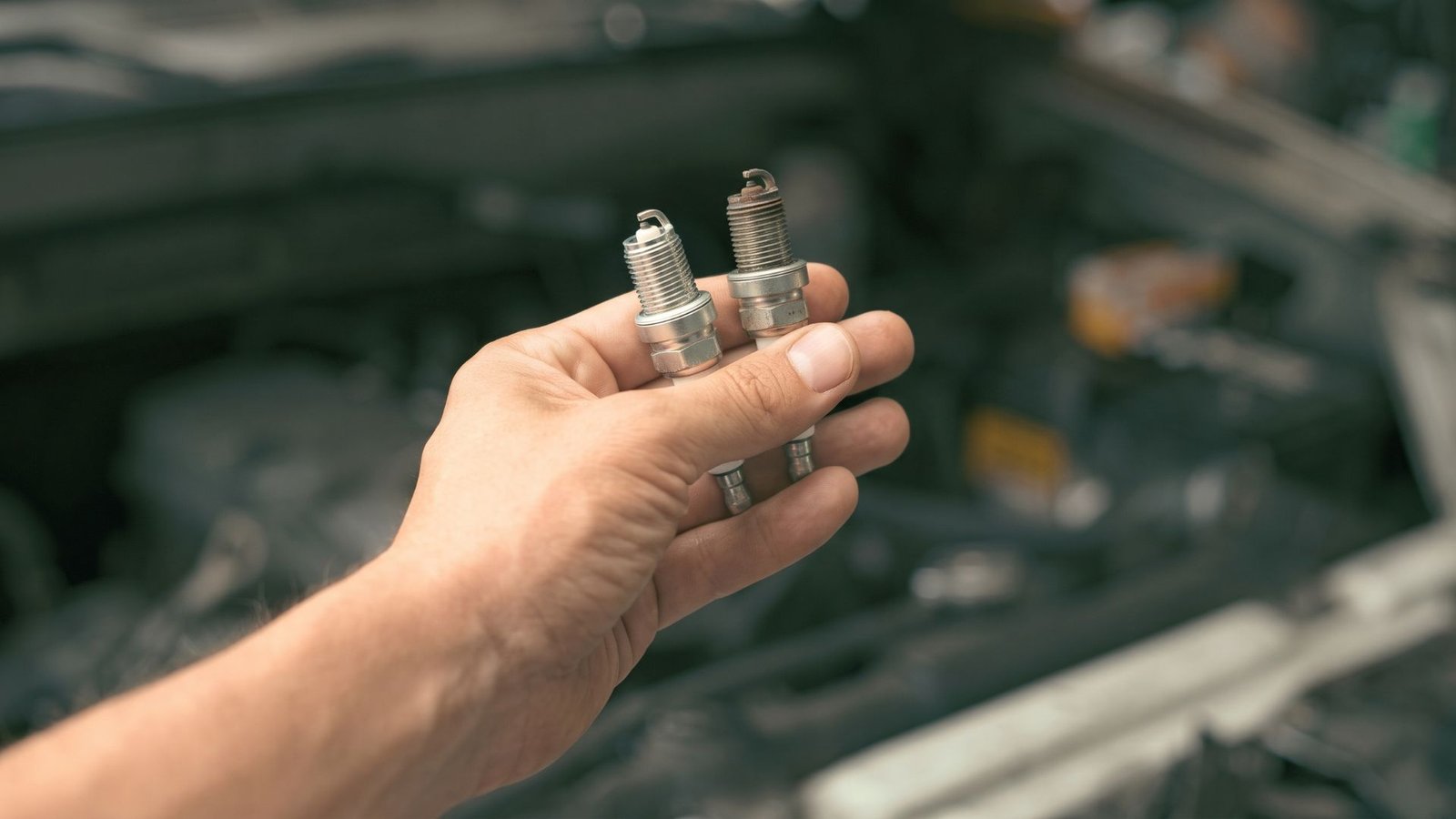
Spark plugs wear out, and dirty plugs can’t light the fuel. Coils fail too. Most modern engines use a coil on plug design, so each plug has its own coil. When enough coils quit, your car cranks but won’t start. Plugs can also foul after a flooded start.
Pull one ignition coil off a plug and look at the plug below it. A wet plug with a gas smell points to flooding. A dry, black plug suggests weak spark. Worn electrodes mean the plugs are overdue.
Don’t pull a coil off and handle an exposed ignition connection while someone cranks the engine. Ignition voltage can cause serious electric shock. Use a proper spark tester and follow the vehicle’s service instructions.
6. A Faulty Anti-Theft System (Immobilizer)
Modern vehicles have built in security systems that prevent theft. The immobilizer communicates with a tiny transponder chip inside your key or key fob. If the vehicle doesn’t recognize the right key, it will cut off fuel injection or spark.
This can be confusing because your dashboard and accessories still work normally. Depending on the vehicle, the engine will even crank without starting. Push button ignition systems can run into another common issue. A dead or dying key fob battery can stop the car from reading the key signal properly.
Check your dashboard for a flashing security symbol or an immobilizer warning light. These indicators help confirm an authorization problem right away.
How to fix it:
- Look for a flashing key or lock light on the dash.
- Try your spare key.
- Replace the key fob battery, and hold the fob against the start button as your manual directs.
- Wait ten minutes with the key off, then try again.
- You should indeed consider visiting a dealer or locksmith for reprogramming if nothing works.
7. A Failed Crankshaft Position Sensor
This sensor tells the engine computer how fast the crankshaft turns and where it sits. Without that signal, the computer doesn’t know when to fire spark or fuel. It does neither.
Turns out, an engine cranks but wont start when this part fails. Heat can make it worse. A car that dies hot, sits an hour, and then fires right up is a classic bad crank sensor. Other sensors cause similar trouble, including the mass air flow, camshaft position, and throttle position sensors.
How to fix it:
- Plug an OBD2 code reader into the diagnostic port beneath your steering column, turn the ignition to ON without starting the car, and scan for stored trouble codes like P0335.
- Visit any major auto parts store to borrow a code reader for free if your check engine light has been glowing or the engine ran funny before dying.
- Inspect the wiring harness leading down to the lower crank pulley or bellhousing for melted insulation, oil leaks, or unplugged connectors.
- Unbolt the old sensor and install an original equipment replacement, since cheap aftermarket crank sensors often fail right out of the box.
8. Major Vacuum Leak or Blocked Intake
The vacuum system covers anything that moves air and air pressure, including your big intake tube. A leak would have to be pretty bad to stop the engine from starting. That’s good news, because severe leaks are easy to spot.
Look for big cracks in hoses, or hoses that have come loose and disconnected. A blocked intake works the other way. A clogged air filter, a stuck throttle, or debris in the intake tube chokes off air. Your car cranks but won’t start because the engine can’t breathe.
9. A Broken Timing Belt or Chain
Compression is rarely the culprit when an engine turns over freely, unless a major mechanical failure breaks the link between the top and bottom halves of your motor. Inside your engine, a rubber timing belt or metal timing chain keeps the crankshaft synchronized with the overhead camshafts.
That synchronization ensures intake and exhaust valves open and close at the exact instant pistons travel up and down. If an old rubber timing belt snaps or jumps several teeth, the valves stop moving while the pistons keep pumping.
Your engine cranks but wont start, and you will immediately notice the starter sounds much faster and higher pitched than normal because the cylinders lost compression.
Do not keep cranking if you suspect this issue, because interference engines will smash open valves straight into rising pistons. Check your manual for the belt replacement interval and have a shop inspect the belt or chain.
When Should You Take Your Car to a Mechanic?
Basic checks like adding fresh gas, swapping a burnt fuse, or testing a spare key take less than fifteen minutes at home. However, once your car cranks but won’t start after checking fuel, fuses, and battery voltage, professional diagnostic tools save you from throwing expensive parts at a guess.
Take your vehicle to a certified shop if you lack a fuel pressure gauge, cannot safely test high voltage ignition coils, or suspect an internal timing belt failure. Dropping a fuel tank to swap an in tank pump or diagnosing complex wiring shorts requires hydraulic lifts and factory scan computers.
Frequently Asked Questions (FAQs)
How to fix a car that cranks but doesn’t start?
Start with the simplest checks before buying parts. Verify you have gas in the tank, inspect your under hood fuel and ignition fuses, and try your spare key fob. If those check out, scan the computer for trouble codes and listen for the fuel pump priming when you turn the key on.
What causes cranking but not starting?
A healthy crank proves your battery and starter work fine, so the failure lies in fuel, spark, air, or timing. Common culprits include an empty gas tank, a dead fuel pump, a blown EFI fuse, fouled spark plugs, an active anti theft immobilizer, or a failed crankshaft position sensor.
What sensor can cause a crank no start?
The crankshaft position sensor is the number one sensor that causes a car cranks but won’t start condition. Without its rotational timing signal, the engine computer cuts off both spark and fuel injector pulses. A completely dead camshaft position sensor or mass air flow sensor can also trigger similar no start issues.
Which fuse causes a car not to start?
There isn’t one universal fuse. Depending on the vehicle, a blown-out fuel pump, ignition, engine control module, or injector fuse could hinder the engine from starting. In this regard, it’s actually best to check the owner’s manual for the correct fuse locations.
Can a camshaft sensor cause no start?
Yes. If the camshaft sensor fails in newer models of vehicle which have sequential fuel injection and therefore require both cam and crankshaft signals, it can result in no start. Usually, a bad cam sensor triggers a check engine light alongside extended cranking times before failing altogether.
Wrapping Up…
Dealing with a car cranks but won’t start headache feels frustrating, yet the sound of a strong starter actually gives you a great head start. Because your starter motor and battery are spinning the engine over, you can skip the heavy starter replacement and focus straight on fuel, spark, and sensors.
Work methodically from free checks like gas levels, fuses, and spare keys before moving toward fuel pumps or crank sensors. Follow these steps calmly, work in order, keep notes on what you tried, and you’ll save time at the garage.